Men and Dreams in the Dhauladhar
by Kochery C. Shibu
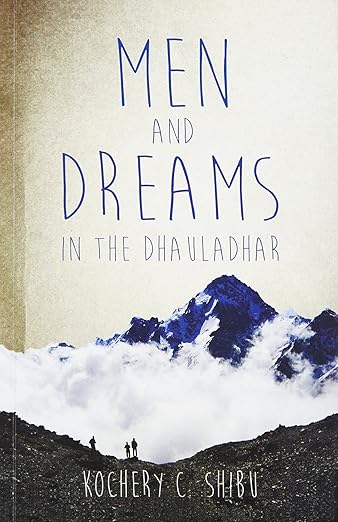
Men and Dreams in the Dhauladhar by Kochery C. Shibu is an industrial‑cum‑human drama set around the construction of a hydroelectric dam in the Dhauladhar range of the Himalayas. At the heart of the story is Nanda, an engineer from Kerala working on the project, who is also hiding from a troubled past and from the law, carrying guilt, fear, and unresolved ties to his family. Alongside him are hundreds of workers, technicians, and locals whose daily lives are bound to the harsh routines and dangers of the site, where the fury of nature and the demands of progress leave little room for weakness or hesitation.
Into this setting comes Khusru, a man connected to a terrorist plot that targets the very dam Nanda is building, bringing a simmering undercurrent of violence and ideology to an already tense environment. Rekha, a Kathak dancer at heart and a doctor by profession, arrives at the camp as Khusru’s companion; her own journey is driven by love, escape, and the need to reclaim her agency. Each of these central characters—Nanda, Khusru, and Rekha—carries a different dream and a different shadow from the past, and the novel slowly reveals how their paths intersect in the remote, unforgiving mountains.
The book spends considerable time depicting the reality of life at a remote project site: precarious machinery, tough supervisors, accidents, and the constant negotiation between safety, deadlines, and the human cost of large infrastructure. Workers come from varied corners of India, each with their own aspirations and worries, and the narrative shows how their small personal stories are woven into the larger fabric of the dam’s construction. Nature is almost a character in itself—the Dhauladhar range is described as beautiful yet ruthless, capable of turning minor lapses into fatal incidents.
As the terrorist plan edges closer to execution and tensions rise, the novel builds towards a convergence where individual histories, conflicting motives, and the sheer unpredictability of the environment collide. The looming question is whether the dam—symbol of development, ambition, and human control over nature—will stand unscathed, and what that outcome will mean for the men and women tied to it in different ways. In the end, “Men and Dreams in the Dhauladhar” becomes less about a single hero and more about a mosaic of people whose dreams, fears, and choices are tested against the backdrop of mountains, machinery, and forces beyond their control.