The God of Small Things
by Arundhati Roy
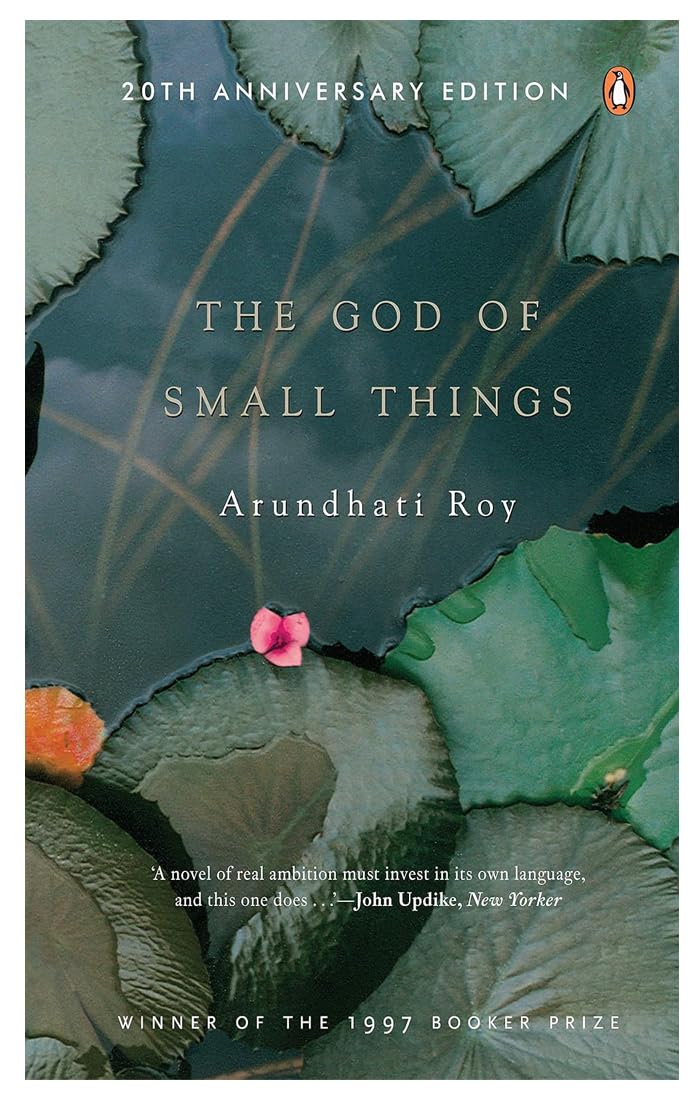
Arundhati Roy's "The God of Small Things" is a haunting tale set in Kerala, India, following fraternal twins Estha and Rahel as they navigate a world of rigid social boundaries and forbidden love. The novel moves between past and present, gradually revealing a family tragedy and its lasting impact.
The story centers on the twins' family: their divorced mother Ammu, their blind grandmother Mammachi, their uncle Chacko who owns a pickle factory, and their beloved Velutha, an Untouchable who works at the factory. The novel explores how small events and decisions - the "small things" - can have devastating consequences.
Roy's prose is lyrical and unconventional, breaking grammatical rules to create a unique narrative voice. She explores themes of caste discrimination, forbidden love, childhood innocence, and the weight of history. The "Love Laws" - the societal rules that dictate "who should be loved, and how, and how much" - are central to the novel's tragedy.
The book is a powerful critique of India's caste system and the ways in which social hierarchies destroy lives. Roy shows how political, personal, and historical forces converge to shape individual destinies.